Heart Surgery Cost in India
Written By: Dr. Chhaya
Medically Reviewed By: Dr. Ruchika
Last updated: March 25, 2026
Written By: Dr. Chhaya
Medically Reviewed By: Dr. Ruchika
Last updated: March 25, 2026
IndiCure Health Tours is a trusted leader in heart surgery in India, known for personalized care and partnerships with top cardiac surgeons and hospitals. We ensure expert, high-quality treatment while making heart surgery affordable and convenient. Our services include pre-arrival consultations, airport transfers, ground transportation, hospital visits, and accommodations, providing seamless support throughout your medical journey.
Below is a list of common heart surgery procedures we offer, along with the cost of heart surgery in India:
| Procedure | Stay at Hospital (Days) | Stay in India (Week) | Cost Starts From US $ |
|---|---|---|---|
| Angioplasty | 1-2 | 1 | 3800 |
| Pacemaker Implantation | 1-2 | 1-2 | 5500 |
| Cardiac bypass | 5-6 | 2 | 4500 |
| Heart Valve Replacement | 8-10 | 2-3 | 5000 |
| Pediatric Heart Surgery | 5-6 | 2 | 4000 |
| Robotic Heart Surgery | 4-5 | 2 | 6000 |
| Heart Transplant | 42 | 13-17 | 50000 |
| LVAD | 28-42 | 13 | 150000 |
A significant expense when it comes to heart surgery in India is the cardiac surgeon's fees. IndiCure Health Tours works exclusively with highly skilled, experienced, and board-certified cardiac surgeons who have a strong track record in successful heart surgeries. While fees may vary based on the surgeon's expertise, choosing IndiCure Health Tours ensures you are in safe, experienced hands for your heart surgery in India.
A major factor influencing the overall heart surgery cost in India is the type of procedure required. IndiCure Health Tours recommends scheduling a telephonic or video consultation with a cardiac surgeon to gain a clearer understanding of the surgery, the expected outcomes, and the surgeon's expertise.
As part of our commitment to enhancing patient care, we continuously incorporate new techniques and advanced technologies into our surgical processes. While these innovations can improve results, they may also contribute to an increase in the overall cost of the procedure.
Selecting an accredited surgical facility with experienced and qualified medical staff is essential for the success of your heart surgery. In India, major cities tend to have advanced medical facilities and highly skilled cardiac surgeons, which can lead to higher costs. To prioritize quality care and patient safety, IndiCure Health Tours specifically recommends surgical facilities in larger cities like Mumbai and Delhi.
These include pre- and post-surgical costs. Pre-surgical expenses depend on the patient's age and medical condition, determining the necessary tests. Post-surgical expenses may involve medication and follow-up consultations.

We Help you Choose the Right Treatment, Surgeon & Hospital

We Arrange Video/Telephonic Consultation with the Surgeon

We Assist you with Visa & Accommodation

We Receive you at the Airport and Drop you at Hotel/Hospital

We Assist you the at Hospital & Provide Post Operative Support
Planning your medical tour to India with IndiCure Health Tours offers your exclusive savings. We partner with the best hospitals in India to negotiate special rates with them, ensuring you get the best possible price on your healthcare when you plan your medical travel with us.
Your medical information is handled confidentially and is used only for patient support and treatment coordination.
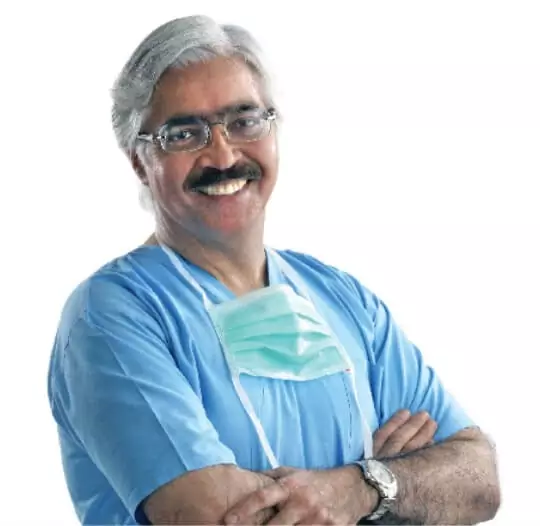
Dr. Ashok Seth
MBBS, MD, FRCP, MRCP
Fellowship, Cardiology U.S.A.
Recipient of Padma Shri & Padma Bhushan
Dr. Ashok Seth is one of India's most renowned and sought-after interventional cardiologists, and is regarded as one of the country's top 10 cardiologists. He has over 32 years of expertise and is known for doing over 50,000 angiograms and 20,000 angioplasties. For executing one of the biggest numbers of angiographies and angioplasties in the world, he was inducted into the “LIMCA" Book of Records.
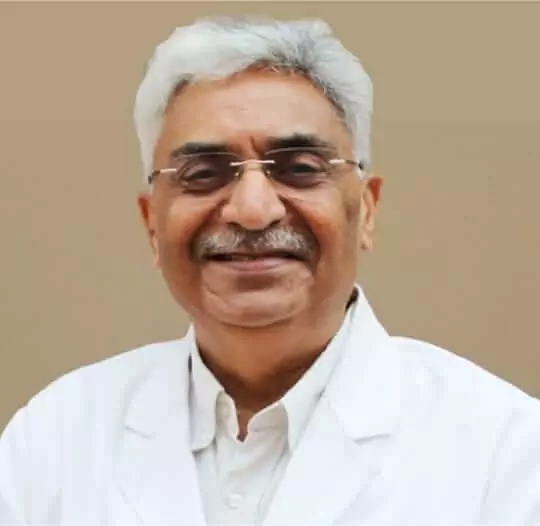
Dr. T. S. Kler
MBBS, MD, DM, MRCP
Recipient of Padma Bhushan & Lifetime Achievement Award
Dr. T.S. Kler is the Executive Director of Cardiac Sciences at Fortis Memorial Research Institute in Gurgaon, as well as the Head of the Cardiology Department. He was the first doctor in India to implant an implanted cardioverter defibrillator in April 1995. (ICD). He also built India's first electrophysiology department.
Dr. (Col.) Manjinder Singh Sandhu
MBBS, MD, DM, DNB
Fellowship of the American College of Cardiology
He is an interventional cardiologist with an impressive 16 years of post-DM expertise and has conducted over 20,000 procedures. His work focuses on difficult coronary treatments such as Primary angioplasty (with thrombosuction devices, IABP, and other techniques), Bifurcation lesions, Chronic complete occlusions, and Left Main lesions. Cutting balloons, angiosculpt, IVUS, Rotablation, and other supplementary devices are among his specialties.
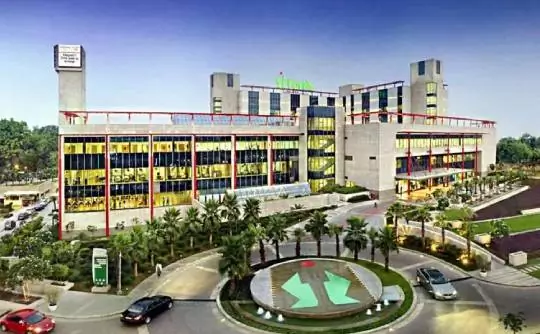
Fortis Memorial Research Institute
Gurgaon
Fortis Memorial Research Institute (FMRI), the flagship hospital of Fortis Healthcare, is a multi-specialty, quaternary care hospital and is counted among the best hospitals in India and the world. The hospital is considered as "Mecca of Healthcare" and a referral hospital, not only in the entire Asia Pacific but much beyond.
The hospital boasts of an enviable International faculty- the clinicians considered to be among the best doctors in the world and even specialty nurses offer nothing but the best in clinical care. The hospital has the most modern, state-of-the-art, cutting-edge technology in the hands of the most technically sound technicians, who offer clinical excellence beyond comparison.
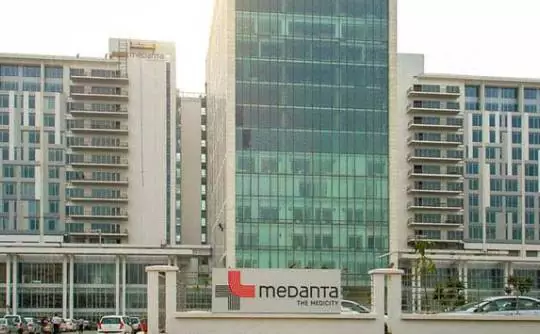
Medanta Medicity
Gurgaon
The Medicity is one of India's largest multi super-specialty institutes located in Gurgaon, National Capital Region (NCR-DELHI). Founded by one of the most renowned cardiac surgeons in India, Dr. Naresh Trehan, Medanta was established with the aim to provide the highest standards of medical care to patients backed by clinical research.
Spread across 43 acres, the institute includes a research center, medical and nursing school. It has 1250 beds and over 350 critical care beds with 37 operation theatres catering to over 20 specialties. Backed by the latest and most advanced technology, the institute is counted among the best medical institution in the world and attracts lots of patients from across the globe.
We shall share the detailed profile of the surgeon, his experience, success rate, and other important information. We shall also give you the details about the cardiac hospitals in India, accreditation, infrastructure, and other important details to help you make an informed decision about your cardiac treatment in India. You can also request a telephonic/video consultation with the surgeon before you decide to travel.
We give you an unbiased opinion about our previous patients' experience and details about the cardiac hospitals and cardiac surgeons in India. We have our team of specialists who work closely with the hospitals and surgeons before we give you any recommendations. We advise you a careful mix of the best cardiac surgeons and top cardiac hospitals in India according to your specific medical requirements.
There is no catch. The cost of cardiac surgery in India and for that matter, medical treatment in India is much less because of the following
reasons:
Low cost of endowment in India : Qualified doctors, surgeons, nursing staff, lower investment costs, and subsidies by the government to the private healthcare sector are more as compared to other countries
An exchange rate regime, which is favorable to India (indicative rates only, may not be currently applicable)
1 USD= 84.81 Indian rupees
1 GBP= 108.25 Indian rupees
1 Euro= 89.68 Indian rupees
Yes, almost all heart surgery patients undergo angiography before cardiac surgery. Other tests are also performed before any anesthesia is given.
This includes:
The surgeon makes all efforts to avoid blood transfusion. If you may need blood, the blood banks are there at the hospital to supply blood. The blood banks at the hospitals in India are FDA-approved and adhere to international standards of blood screening for all infectious diseases such as AIDS, Hepatitis etc.
We advise you to bring an attendant with you if you are coming for serious treatment like heart surgery.
In case you are traveling alone for the treatment, we advise you to extend your stay at the hospital till you can be on your own. We shall assist you with a nurse who can take care of you while you are at the hotel, but the best option would be to bring an attendant for physical and emotional support while you recover.
You need to be very careful in using your upper body to allow for your sternum bone to heal well. You should not push, pull or lift anything heavy for at least two months after the surgery. Your surgeon and the medical staff shall give you specific instructions about do's and don'ts after the surgery. The physical therapist will tell you how to strengthen the muscles.
The duration of stay depends on the type of heart treatment or surgery you undergo. Typically, you would need around 2-3 weeks in India before you can fly back to your country.
In addition to the cost of Heart Surgery cost in India, it's important to consider the following additional expenses related to medical travel:
By factoring in these expenses, you can ensure a smooth and comfortable recovery during your Heart Surgery in India.
Beyond treatment coordination, IndiCure also helps international patients experience a more comfortable and meaningful healthcare journey in India.

We assist patients in accessing wellness retreats focused on relaxation, restorative care, and recovery support.
Know More >>
IndiCure helps patients access Ayurveda programs through selected wellness centers and experienced practitioners.
Know More >>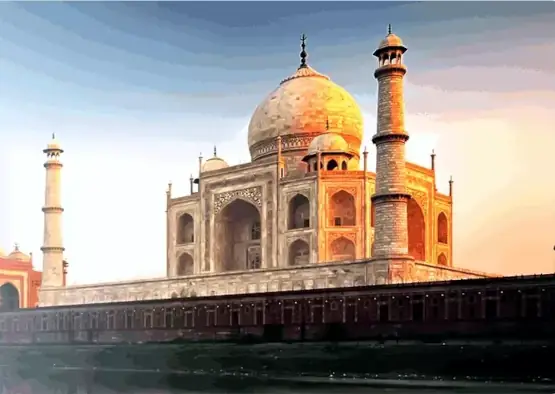
From cultural experiences and historical destinations to local guidance during recovery, IndiCure helps international visitors experience India in a comfortable and supportive environment.
Know More >>With over 15 years of experience, IndiCure supports international patients by coordinating both the clinical and travel aspects of treatment in India. We work with a network of board-certified surgeons and JCI- and NABH-accredited hospitals that follow established safety and clinical protocols.
Our team manages each stage of the journey, including medical evaluations, visa assistance, travel planning, and accommodation arrangements—providing a structured and transparent process from initial consultation through follow-up care.
The content provided on this website is intended for general educational purposes only and does not constitute professional medical advice, diagnosis, or treatment. While we maintain a comprehensive editorial policy to ensure the accuracy and reliability of our information, this content should not be utilized as a substitute for professional clinical care.
Individual Results: All "before and after" photographs are illustrative examples of potential outcomes; actual surgical results vary significantly by individual.
Mandatory Consultation: We strongly advise a personal, in-person evaluation with a board-certified surgeon to assess your specific medical needs and realistic procedural goals.
Surgical Risk: It is vital to maintain realistic expectations and fully understand potential complications before electing for surgery.